

Prueba T vs Prueba Z: Cuándo usar cada prueba y por qué es importante
The t-test vs z-test are hypothesis tests used to determine whether there is a significant difference between the means of two groups or populations. Use a t-test for small samples (n < 30) or when the population variance is unknown; use a z-test when the population variance is known, and the sample size is large (n > 30). The z-test is not often used because knowing the population variance is rare or nearly impossible in most cases.
Introducción
En análisis de los datos, choosing the appropriate test between the prueba t vs prueba z is crucial for deriving accurate and reliable results. Both serve as pruebas de hipótesis that evaluate if a notable difference exists between the means of two distinct groups or populations. The prueba t is used when the population variance is unknown, or the sample size is small (n < 30). At the same time, the prueba z is applied when the population variance (σ2) is known and the sample size is large (n > 30). Understanding when to use each test and why it matters helps ensure the validez of your conclusions and supports data-driven decision-making processes.

Destacados
- Prueba T is applied when the population variance is unknown, or the sample size is small (n < 30).
- Z-test is used when the population variance is known and the sample size is large (n > 30).
- Knowledge of population variance is rare, so the z-test is rarely applicable.
- T-test employs the Student’s t-distribution, while z-test uses the standard normal distribution.
- Both tests require independence of observations and normality of data/residuals.
Título del anuncio
Descripción del anuncio. Lorem ipsum dolor sit amet, consectetur adipiscing elit.
Assumptions for Applying T-test vs Z-test
Both t-test and z-test are hypothesis tests used to assess whether a significant difference exists between the means of two groups or populations.
For the accurate application of these tests, it is essential to ensure the independence of observations, meaning that one observation does not influence another.
The normality of the data or residuals implies that the data or residuals follow a normal distribution.
These assumptions are critical for obtaining reliable and valid results from the t-test and z-test analyses.
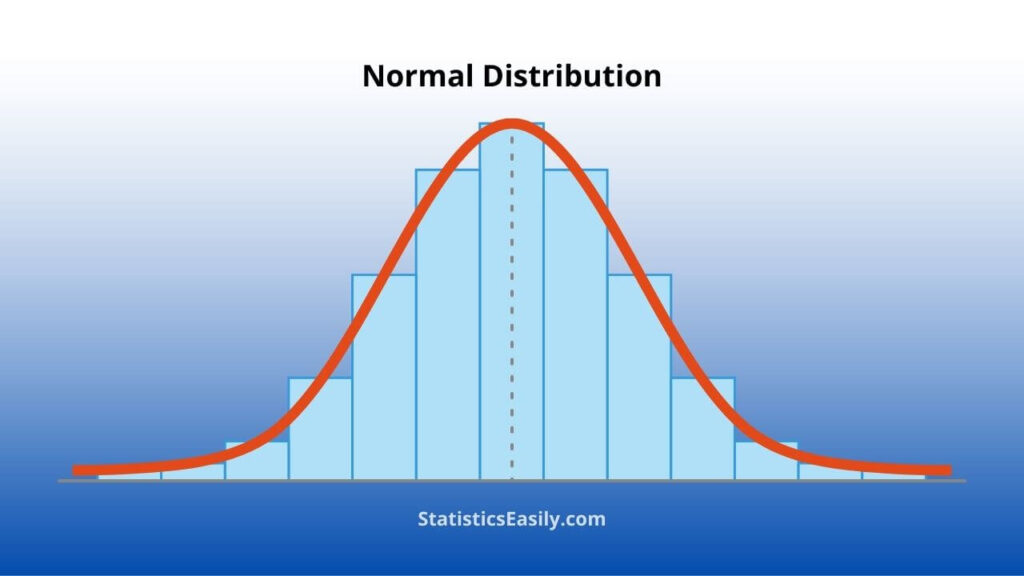
The Distribution Used in the T-test vs Z-test
The t-test employs the Student’s t-distribution, which is more adaptable and features thicker tails than the standard normal distribution used by the z-test.
As the sample size increases, the t-distribution will converge to the standard normal distribution.
Título del anuncio
Descripción del anuncio. Lorem ipsum dolor sit amet, consectetur adipiscing elit.
Conclusión
Selecting the appropriate test between the t-test vs z-test is crucial for accurate data analysis. By considering the assumptions and conditions of your data, you can make an informed decision on which test to use.
Here are some directrices to help you make the right choice:
1. If the population variance is unknown or the sample size is small (n < 30), choose the t-test. This test is more suitable for cases with limited data and unknown population variance, as it employs the Student’s t-distribution.
2. If the population variance is known and the sample size is large (n > 30), use the z-test. The z-test relies on the standard normal distribution, making it appropriate for situations where the population variance is known and the sample size sufficiently large.
| Prueba T | Z-test | |
|---|---|---|
| Population variance | Unknown | Known |
| El tamaño de la muestra | Small (n < 30) | Large (n > 30) |
| Distribuidores | Student’s t-distribution | Standard normal distribution |
| Supuestos | Independence of observations, normality of data/residuals | Independence of observations, normality of data/residuals |
| Applicability | Limited data or unknown population variance | Known population variance and large sample size |
Please note that the z-test is not commonly utilized as it is uncommon to have knowledge of the population variance, which is nearly impossible in most scenarios.
Artículos recomendados
Ready to expand your knowledge? Check out our blog for more relevant articles and deepen your understanding of these crucial statistical tests. Take advantage of the opportunity to enhance your data analysis skills and drive more informed decision-making. Read now!
- APA Style T-Test Reporting: A Step-by-Step Guide
- Prueba T de Student: no ignore estos secretos
- ¿Qué es la estadística T? Dominar los conceptos básicos
- T-Test vs Z-Test: Key Differences (Historia)
- Tailed Test – an overview (Enlace externo)
- La ausencia de evidencia no es evidencia de ausencia (Historia)
- ¿Cuál es la diferencia entre la prueba T y la prueba de chi cuadrado?
- Prueba T de Student en análisis de datos: una exploración integral
- ANOVA y prueba T: comprender las diferencias y cuándo usar cada una
FAQ: T-test vs Z-test
The t-test compares the means of two groups when the population variance is unknown and the sample size is small (n < 30).
The z-test compares the means of two groups when the variance of the population is known and the sample size is large (n > 30).
Both tests require independence of observations and normality of data or residuals.
The t-test employs the Student’s t-distribution.
The z-test uses the standard normal distribution.
As the sample size increases, the t-distribution will converge to the standard normal distribution.
The proper test ensures accurate data analysis, reliable results, and better decision-making.
Use a t-test when the population variance is unknown, or the sample size is small (n < 30).
Yes, both tests have specific versions, such as the paired t-test and the paired z-test, designed for analyzing paired data.
No, t-test and z-test are designed for comparing two groups. Instead, use other tests like ANOVA (Analysis of Variance) for more than two groups.